

IPSWICH & WEST MORETON
Additional Funding Advances Lockyer Valley and Somerset Water Security Scheme
The Queensland Government has committed an additional $5 million over two years in the 2026–27 State Budget to progress investigations into the Lockyer Valley and Somerset Water Security Scheme, marking another important step towards strengthening the long-term resilience of one of Queensland’s most productive agricultural regions.
The funding will support further investigations to inform the project’s final investment decision, helping advance a scheme designed to improve water security for agriculture while supporting regional growth, jobs and food production.
If delivered, the Lockyer Valley and Somerset Water Security Scheme has the potential to increase agricultural output by an estimated $270 million annually, lifting the region’s production to almost $1.7 billion each year. The project is also expected to protect almost 4,000 existing jobs, create around 600 additional full-time positions, and provide one of Australia’s most reliable sources of recycled water by making greater use of the Western Corridor Recycled Water Scheme.
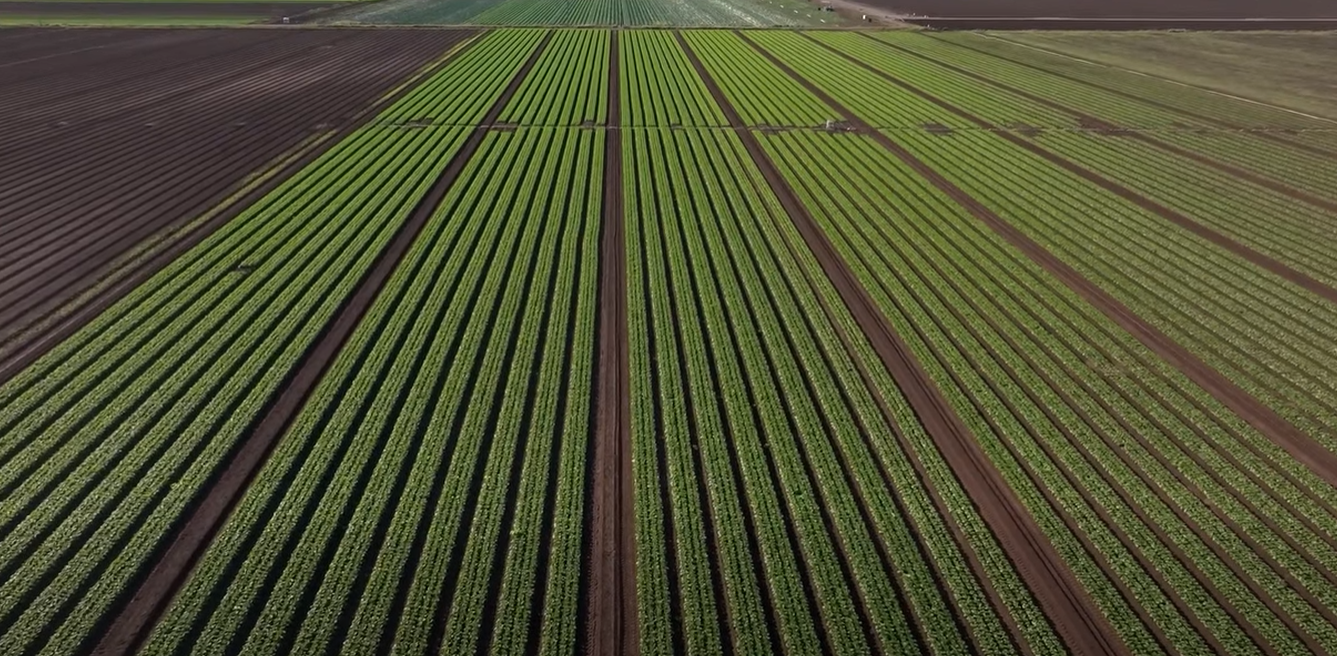
The initiative aims to strengthen Queensland’s food security by transforming treated water into a valuable resource for irrigation, supporting the Lockyer Valley and Somerset regions, which together produce around 30 per cent of Queensland’s fresh produce and approximately five per cent of Australia’s fresh produce.
Regional Development Australia (RDA) Ipswich & West Moreton is proud to be represented on the project’s Strategic Advisory Group, working alongside local government, industry and government partners to help guide this significant regional initiative.
RDA Ipswich & West Moreton CEO Rees Banks said reliable water infrastructure is fundamental to supporting the future of regional communities and ensuring one of Australia’s most important food-producing regions continues to thrive.
The funding commitment represents another positive step in progressing this transformative project and reinforcing the importance of long-term investment in regional infrastructure that supports economic growth, sustainability and food security.